Extraction
11 April – 26 July
Ballroom & Steadings Gallery
From April, Extraction explores how energy systems shape culture, land and belief, through work by artists Carol Rhodes, john gerrard, Marguerite Humeau, Siobhan McLaughlin and John Latham.
Their practices are set in dialogue with Jupiter’s own layered landscape, where traces of the shale gas industry, North Sea petroleum economy and contemporary renewables are simultaneously visible.
Rather than presenting energy history as linear progress, Extraction reveals a repetitive cycle built on belief, optimism and inevitability. Each energy era produces material wealth, cultural identity and technological confidence. Each eventually becomes residue, memory or monument. Debates around energy transition are dominated by technological narratives and political urgency. This exhibition instead investigates and reflects upon the emotional and ideological structure of energy systems, considering labour, identity and landscape without nostalgia or triumphalism.
After the erosion of energy systems, what remains is infrastructure, waste, altered land and symbolic fragments. Jupiter’s own landscape is also part of the exhibition – walking around the sculpture park, visitors can encounter views as they gaze in various directions out from the the artland; the historic shale bings – Scotland’s first oil industry – and the landing site for the Forties oil pipeline out to the North Sea, as well as the solar-field which powers Jupiter’s site.
Extraction is not a survey, commemoration or an environmental warning, but a lens offering clarity on how societies build and unbuild worlds through energy. It invites the viewer to recognise themselves inside a cycle rather than at its conclusion, to reconsider progress, permanence and the future.
Plan your vist below
Featured Artists
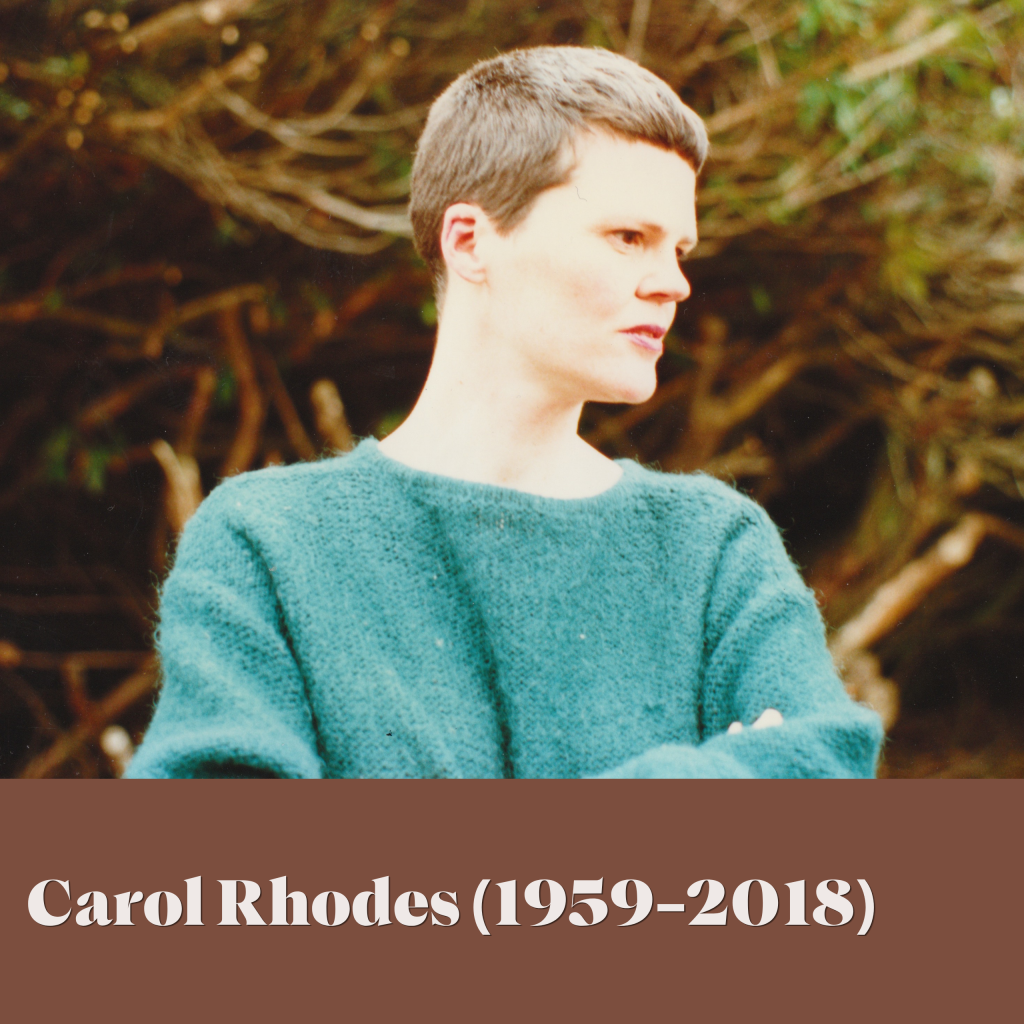
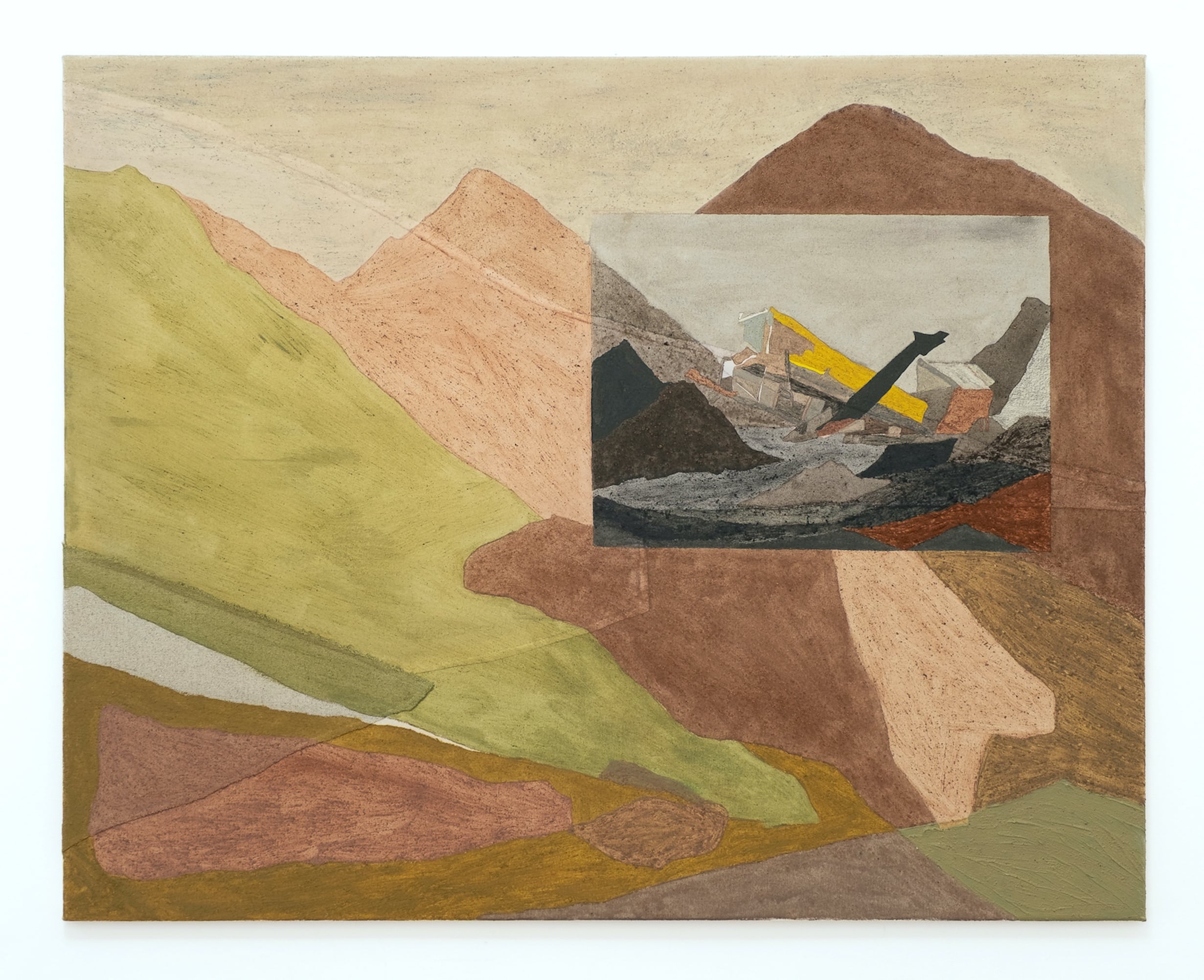
Carol Rhodes (1959–2018)
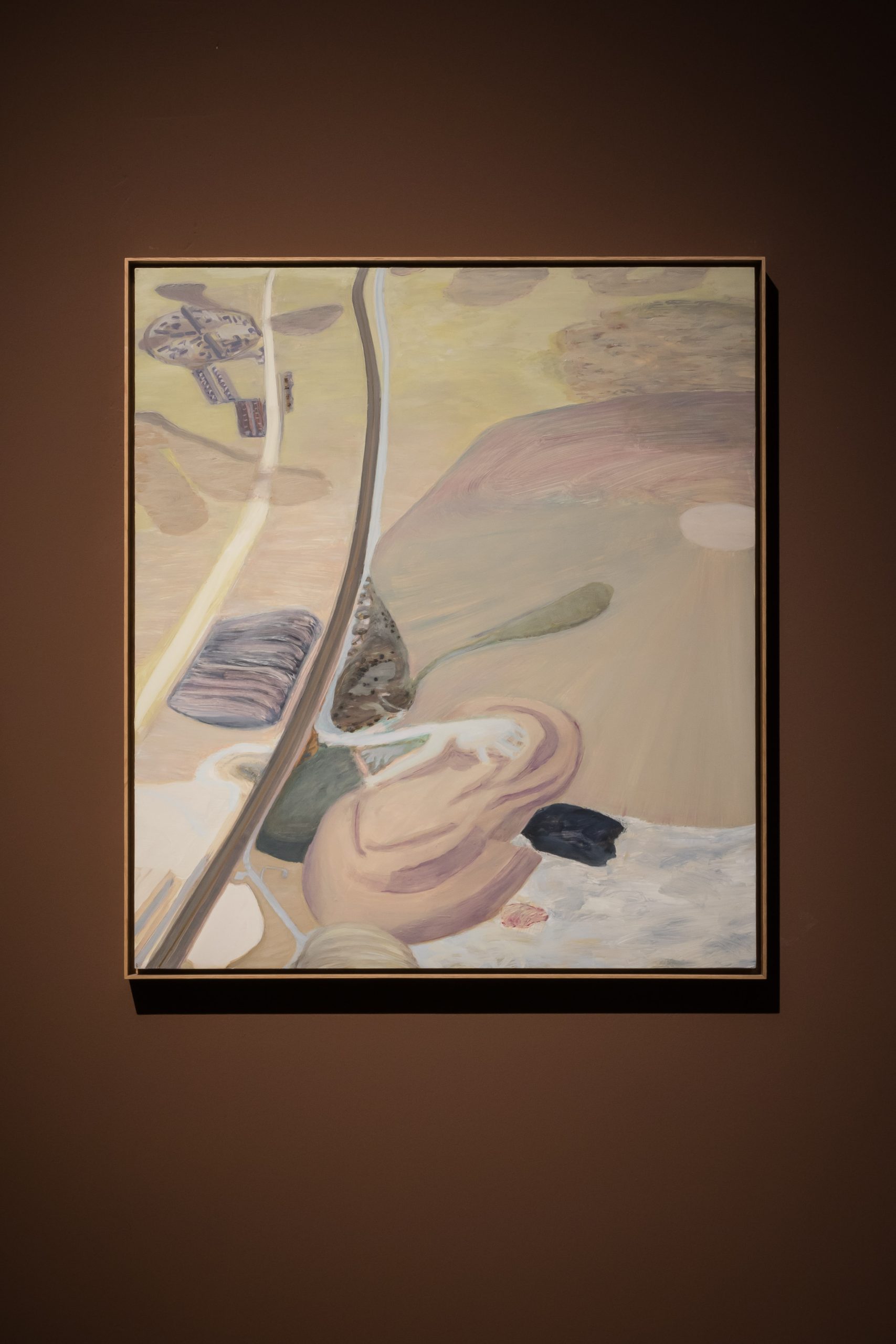
Painted aerial views of altered terrain- land understood not as nature but as designed infrastructure. Her small, meticulously worked oil paintings depict uncanny, uninhabited edgelands: quarries, reservoirs, depots, pipelines. These are landscapes made by us, for us, and in every sense about us.
In 2013, Carol Rhodes was diagnosed with motor neurone disease. She continued to work for as long as possible, and died at her home in Glasgow in 2018.
© Carol Rhodes Estate. Courtesy Carol Rhodes Estate
Siobhan McLaughlin
Works from the ground up.
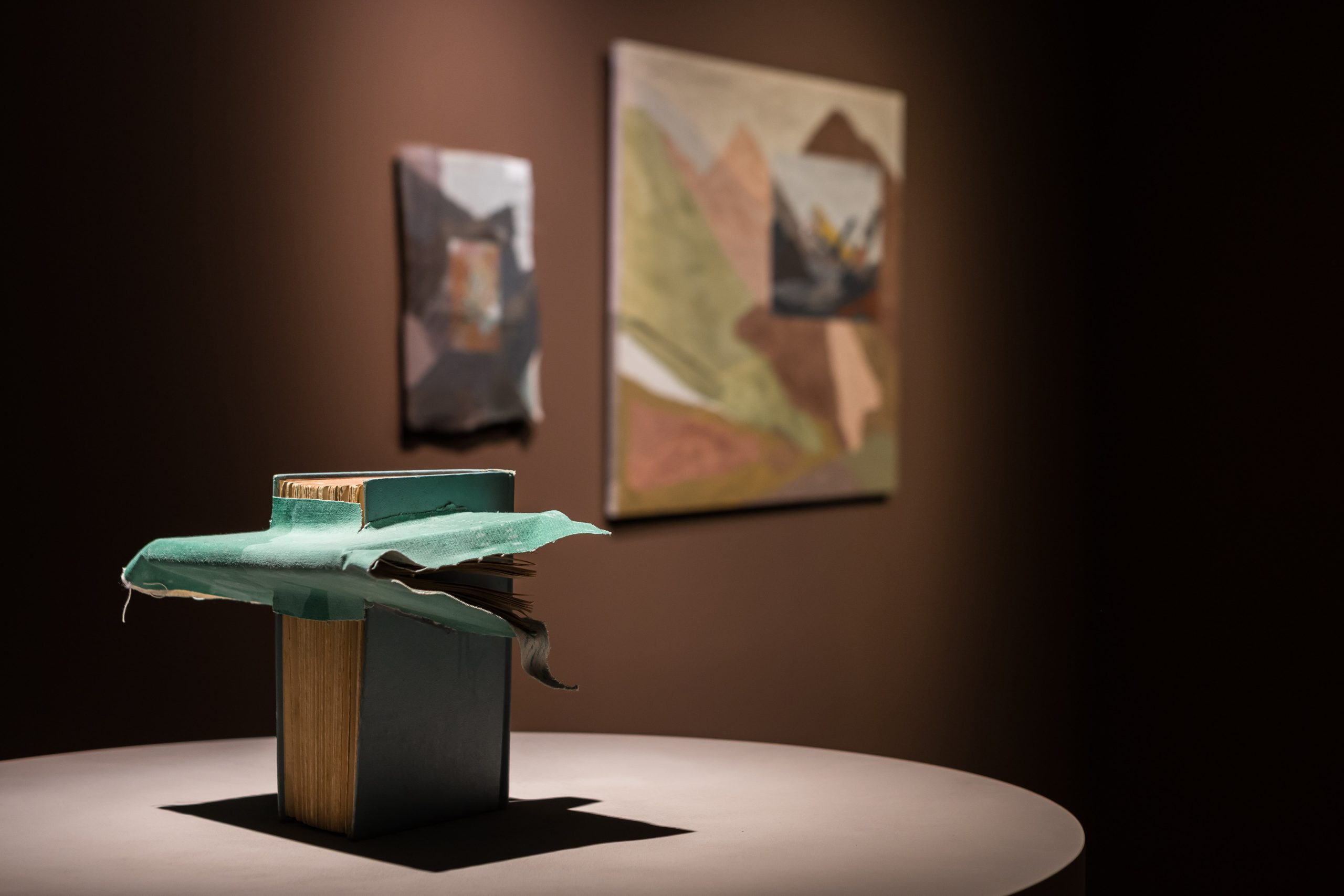
Her paintings are made using earth pigments gathered directly from the Five Sisters Bing, the vast red shale heap that dominates the West Lothian skyline within view from here. Turning waste, pollution and cast-offs into medium, McLaughlin weaves the deep history of extraction together with present questions of biodiversity and resilience. Her practice asks what it means to look carefully, and generatively, at what has been left behind.
Headshot by Physllis Christopher at Cooper Gallery, Dundee


John Latham (1921–2006)
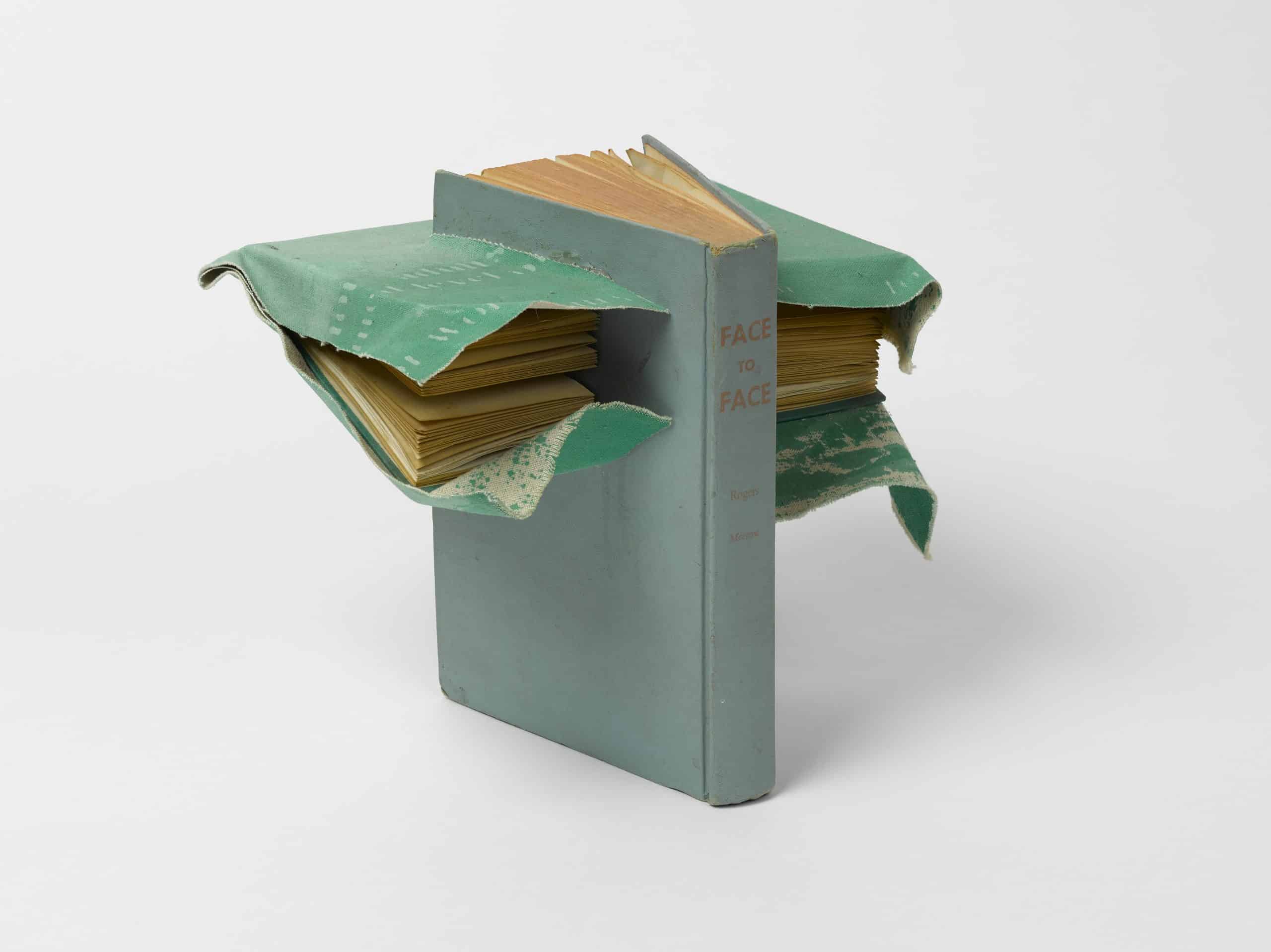
One of the most original philosophical minds in post-war British art, Latham understood time, matter and energy as inseparable. He began working with the West Lothian shale bings in the mid-1970s, reconceiving these enormous heaps of spent shale as process sculptures, collectively titled Niddrie Woman.
His work in Extraction brings his cosmological thinking into direct conversation with the landscape that surrounds Jupiter, asking us to see the bing not as ruin but as event still in progress.
(c) The John Latham Foundation, courtesy Lisson Gallery
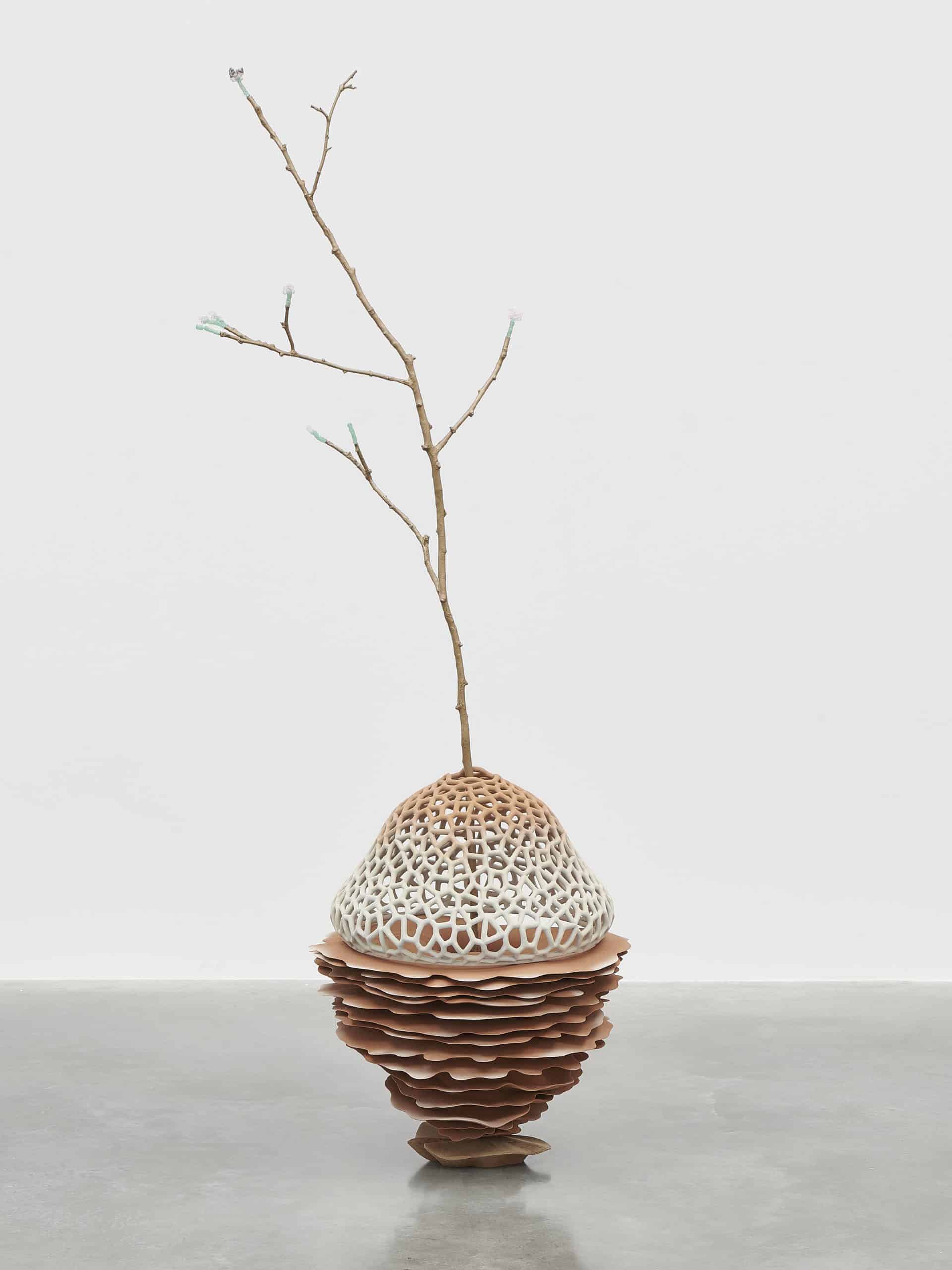
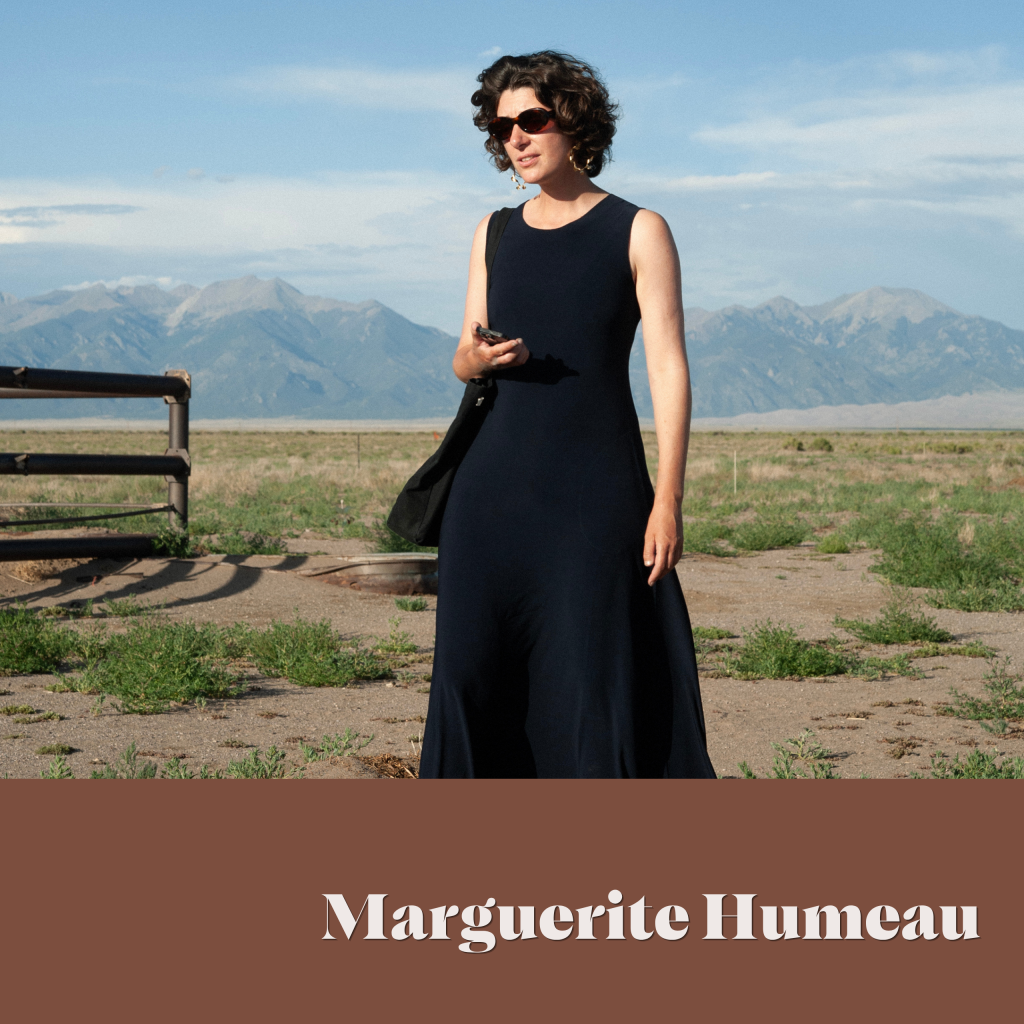
Marguerite Humeau
Turns towards what might come next.
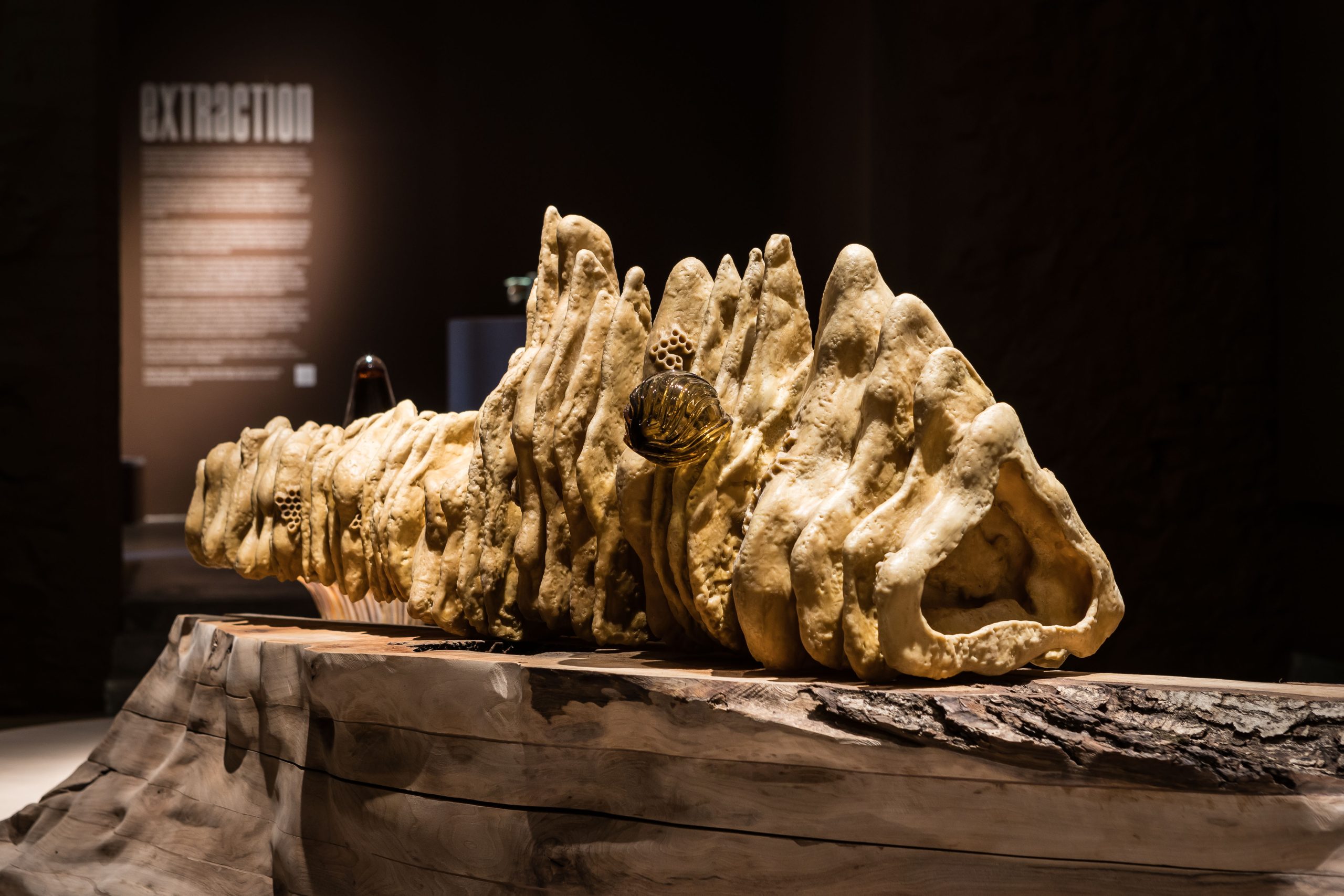
Working in blown glass, beeswax, carved wood, bronze and materials as unexpected as snake venom and honey, her sculptural ecology imagines energy as metabolic, distributed and non-human.
Drawing on cooperation, symbiosis and collective intelligence, her work does not offer solutions or utopias. It poses a harder provocation: what happens when the next system no longer centres us?
Image: Marguerite Humeau in “Orisons”, 2023, photography by Julia Andréone and Florine Bonaventure. Image courtesy the artist and Black Cube Nomadic Art Museum.
john gerrard
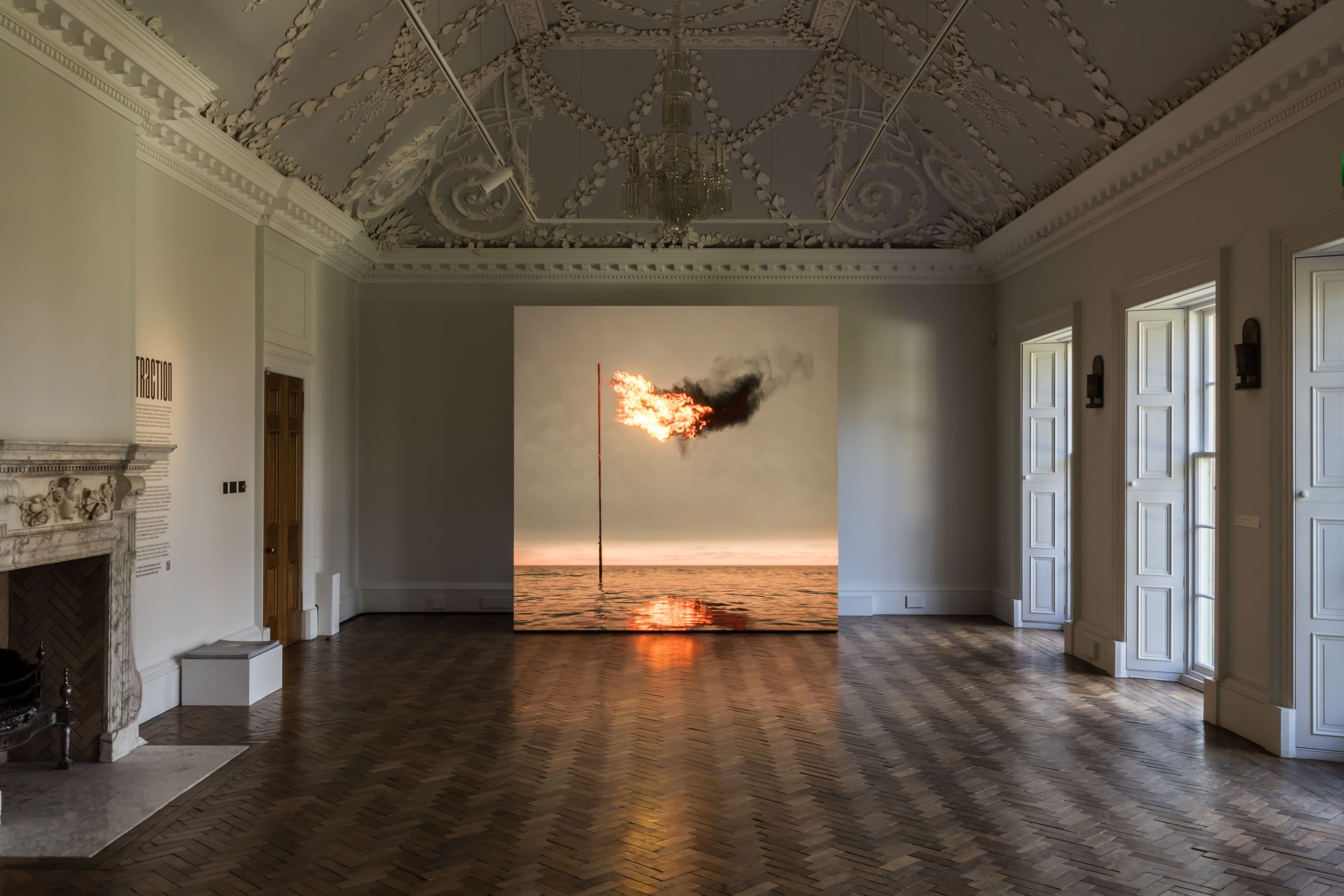
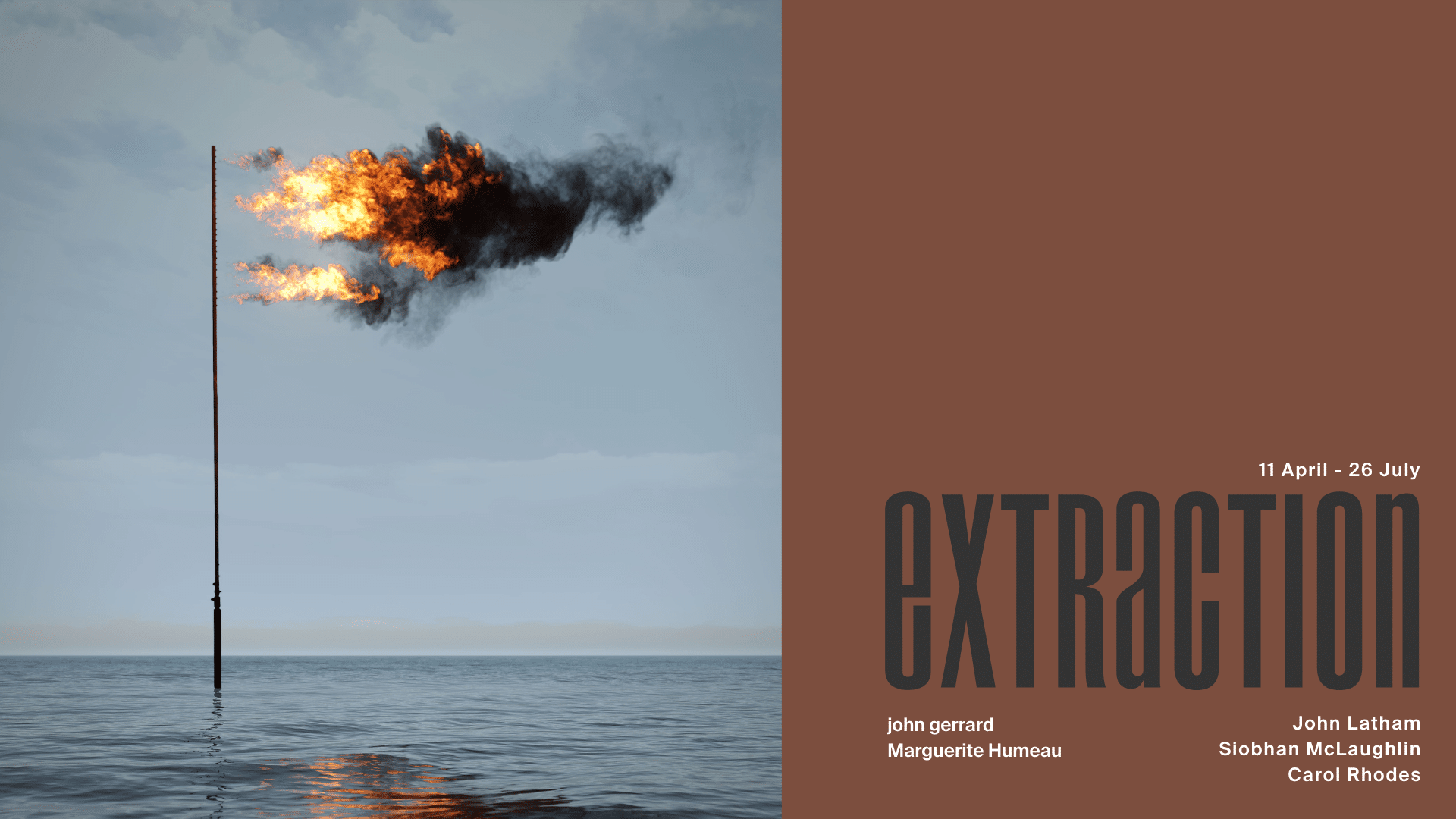
works with real-time digital simulation to create works that hold a single image in permanently shifting light. Flare (Oceania) ,presented in the Ballroom Gallery, hovers between a gas flare and a national flag, between monument and warning.
At Jupiter, surrounded by bings, pipeline infrastructure and our own solar array, it becomes something else again: an image of recurrence, of a cycle we have not yet broken.
Relevant Information

Extraction Public Programme